Insider tips for removals near Maida Vale Station
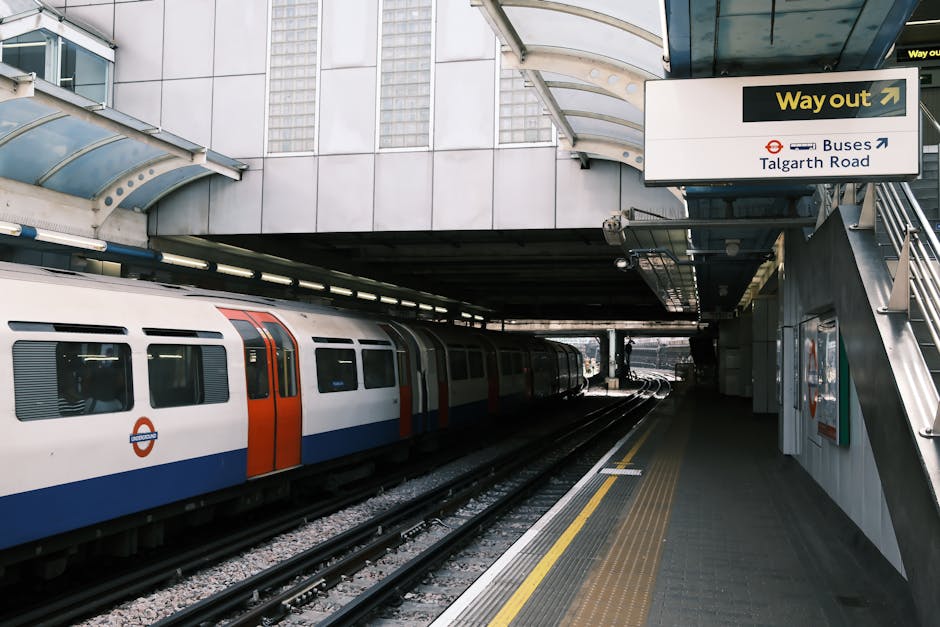
Moving near Maida Vale Station sounds simple on paper. In real life, though, the mix of busy roads, tight parking, basement flats, garden mews, and the steady flow around the station can make removals feel a bit more complicated than expected. That is exactly why these insider tips for removals near Maida Vale Station matter: they help you plan smarter, avoid delays, and make the day feel calm rather than chaotic.
Whether you are shifting a one-bedroom flat, a family home, or a small office, the details around local access can make or break the move. The good news? A little planning goes a long way. In this guide, we will cover what to expect, how the process works, the mistakes people commonly make, and the practical steps that make a local removal easier. You will also find a checklist, comparison table, and a few real-world observations that should save you time and a few headaches. Because let's face it, moving day already has enough of those.
Why Insider tips for removals near Maida Vale Station Matters
Maida Vale has its own rhythm. The station area is busy, the streets can narrow without warning, and parking is rarely something you want to leave to chance. If you are moving locally, the difference between a smooth day and a stressful one often comes down to small decisions made before the van arrives.
That is why local know-how is so valuable. A removals team can be brilliant at lifting and loading, but if the access plan is weak, even a simple move can turn into a slow crawl of trolley runs, waiting time, and awkward stair trips. Near Maida Vale Station, this matters even more because timing, vehicle size, and where the crew can safely stop all need to be thought through in advance.
There is also a human side to it. Moving is usually happening at a time when you are juggling cleaners, keys, contracts, children, pets, work calls, and a million small things. The point of insider tips is not to make the move perfect. It is to remove the avoidable friction. That is a very different thing, and much more realistic.
Expert summary: Near Maida Vale Station, the biggest wins come from planning access, reducing load size, and choosing the right removals method for your property layout. Small decisions create big savings in time and stress.
How Insider tips for removals near Maida Vale Station Works
The process is straightforward when it is properly broken down. First, you assess the property and the route to the vehicle. Then you match the move type to the volume of items, the access conditions, and your timing. After that, you prepare the property so the actual moving window is used for lifting, loading, and transport rather than improvising on the pavement.
In practical terms, removals near Maida Vale Station tend to work best when you think in layers:
- Access: Can a van stop close enough to reduce carrying distance?
- Volume: Are you moving a few bulky items or a full household?
- Timing: Will you avoid peak congestion, school runs, and the busiest station periods?
- Property layout: Are there stairs, narrow halls, or shared entrances?
- Support: Do you need packing help, dismantling, or an extra pair of hands?
The mistake many people make is jumping straight to vehicle size. A bigger vehicle is not always better. If street access is tight or loading space is limited, a smaller, well-planned move can actually be quicker. Sometimes a man and van service is the most efficient option for local jobs, especially if you are moving a modest amount and want flexibility. For larger, more structured jobs, a removal truck hire setup may suit better.
It is also worth noting that packing quality changes everything. Good packing reduces breakage, speeds loading, and makes the unloading feel less like a puzzle. If the job includes fragile items, awkward furniture, or a last-minute rush, packing and unpacking services can take real pressure off the day.
Key Benefits and Practical Advantages
When you use local knowledge properly, the benefits are not abstract. They show up in the first ten minutes of moving day and stay with you right through to the last box.
- Less waiting time: A better access plan means the team can get straight to work.
- Lower risk of damage: Fewer handoffs, fewer awkward manoeuvres, fewer chances to knock a doorframe or scratch a wall.
- Better cost control: Time saved on site usually means less waste in labour and vehicle time.
- Less stress: You are not making decisions under pressure while half your kitchen is already on the landing.
- Better use of space: Matching the right vehicle or move type to the actual load helps avoid wasted journeys.
There is also a benefit that people do not always think about: momentum. Once a move starts well, it tends to keep moving. Boxes are labelled, the route is clear, and the crew is not constantly asking where the next item goes. You can feel that difference. It is subtle, but very real.
If you are moving a home rather than a single item, it may be worth looking at a home moves service or a house removalists option, depending on the size and complexity of your move. The right service can make the whole thing less piecemeal and a lot more controlled.
Who This Is For and When It Makes Sense
These tips are useful for anyone moving within or around the Maida Vale Station area, but they are especially helpful if your move has one or more of the following features:
- you are in a flat with stairs or limited lift access
- you live on a street where parking is tight or controlled
- you are moving heavy furniture rather than just boxes
- you need to work around school runs, commuting patterns, or business hours
- you are relocating a small office or commercial space
- you need a same-day or short-notice move
This is also the right approach if you are comparing different service styles and trying to figure out what is actually worth paying for. A small domestic move may not need a full-scale operation. A larger or more delicate move might absolutely need one. That judgment call is half the battle.
For example, if you are moving a single sofa, a bed, and a handful of boxes from one flat to another nearby, a flexible service like man with van may be enough. If you are moving an entire office with desks, files, and equipment, you are in a different category altogether and should be looking at office relocation services or commercial moves.
Step-by-Step Guidance
Here is a practical way to handle removals near Maida Vale Station without overcomplicating the process.
- Walk the route from front door to vehicle. Notice stairs, narrow bends, low ceilings, door widths, and any shared areas that could slow things down.
- Decide what is being moved. Split the list into essentials, bulky items, fragile items, and anything that can be sold, donated, or collected separately.
- Choose the right moving method. Match the job to the scale: small local job, full home move, furniture-only move, or commercial relocation.
- Book the move with timing in mind. If possible, avoid the most hectic parts of the day. A calm morning window can be worth its weight in gold.
- Prepare packing early. Label boxes clearly, protect corners, and keep important documents, keys, chargers, and valuables in a separate bag you keep with you.
- Confirm parking and access. Even if you cannot reserve a spot, think carefully about where the vehicle can stop safely and legally.
- Disassemble what should come apart. Beds, large wardrobes, and some tables move better when dismantled. Use the right tools and keep fittings in a labelled bag.
- Protect the property. Use blankets, wraps, or floor protection if the move is likely to involve tight corners or repeated traffic.
- Load by sequence, not by panic. Heavy items first, fragile items protected, and boxes arranged so they can be unloaded in the right order.
- Do a final sweep. Check cupboards, behind doors, on windowsills, and in the airing cupboard. You would be surprised what gets left behind. Honestly, everybody leaves one odd thing behind at least once.
If you want packing support to fit neatly into this process, packing and unpacking services can be particularly helpful for people on a tight schedule or with lots of breakables.
Expert Tips for Better Results
Now for the bits that usually separate a decent move from a genuinely smooth one.
1. Think in terms of walking distance, not just postcode distance
Two properties can be a few streets apart and still feel very different on moving day. A ground-floor flat with easy frontage is a different beast from a fourth-floor conversion with a narrow staircase. Near Maida Vale Station, the access path can matter more than the route between addresses.
2. Treat the first 30 minutes as the most important part of the day
If the team can park safely, confirm the load plan, and start without confusion, the rest usually unfolds more easily. If they spend half an hour searching for space or reorganising boxes by the door, the day starts to fray. That first half hour is strangely powerful.
3. Separate what you need immediately at the new place
Keep a small survival kit with tea, kettle, phone charger, toiletries, toilet roll, medication, and a change of clothes. It sounds basic because it is basic. But basic is beautiful on moving day.
4. Move the awkward furniture early in the planning stage
Large wardrobes, glass tables, and overstuffed sofas are the items that cause the most friction. Measure them, check the staircase, and decide whether dismantling is sensible. If not, ask whether a furniture pick-up service would be a better way to handle one-off bulky items.
5. Build a buffer into your timing
Even a well-run local move can be slowed by traffic, a delayed key handover, or a building access issue. A small buffer keeps you calm. Without it, every tiny delay starts to feel dramatic. And it really does not need to.
6. Keep communications simple
One person should ideally be in charge of decisions on the day. Too many instructions from too many people can create confusion, especially when items are already moving. Clear, calm direction is underrated.
Common Mistakes to Avoid
People do not usually make huge mistakes. It is the small ones, repeated three or four times, that cause the trouble.
- Underestimating access issues. A wide van is useless if it cannot stop where it needs to.
- Leaving packing too late. Last-minute packing almost always increases breakage and stress.
- Not measuring large furniture. The sofa might be beautiful. It might also be too wide for the hallway. Painful, but common.
- Assuming the move will fit into one trip without checking. Better to confirm volume than to improvise halfway through.
- Forgetting building rules or neighbour sensitivities. Shared entrances and quiet hours matter in residential blocks.
- Not separating valuables. Passports, jewellery, contracts, and cash should stay with you.
Another sneaky issue is trying to do too much yourself on the day. If you are also changing addresses, sorting keys, and answering calls, you can get overwhelmed fast. That is why some people choose a full-service option, especially if they are moving out of a busy household or a business that cannot stop operating.
Tools, Resources and Recommendations
You do not need a mountain of gear, but a few practical tools make a noticeable difference.
- Strong boxes: Use consistent sizes where possible so stacking is easier.
- Packing tape and markers: Label the room and contents clearly.
- Furniture blankets or wraps: Helpful for protecting edges, drawers, and polished surfaces.
- Basic toolkit: Screwdrivers, Allen keys, and a small bag for screws and fittings.
- Gloves and sturdy shoes: Safety first, always.
- Room plan or box list: Very handy when unloading into a new property.
For people comparing service types, it can help to review the difference between hiring a vehicle, booking help for a smaller local job, or arranging a more structured team-led move. If you need a larger vehicle only, moving truck arrangements may suit. If you prefer a more hands-on service where transport and labour come together, man and van or man with van options are often easier to coordinate for local jobs.
And if you are dealing with extra furniture that needs clearing before the main move, furniture pick-up can help remove the awkward pieces that would otherwise crowd the hallway. A bit of decluttering before moving day can make the whole thing breathe easier.
Law, Compliance, Standards, or Best Practice
For removals near Maida Vale Station, the main compliance concerns are usually practical rather than complex. You are typically thinking about parking rules, access to shared buildings, safe lifting, and respecting neighbours and building management requirements. The exact arrangements can vary by property and local street conditions, so it is wise to check any instructions from your landlord, managing agent, or building owner before moving day.
From a best-practice perspective, a professional mover should handle items with reasonable care, use safe lifting techniques, and communicate clearly about access and timing. Customers, in turn, should be honest about stairs, access restrictions, heavy items, and any known problems. That transparency matters. It saves everyone time and avoids those uncomfortable surprises that nobody enjoys.
If you are moving a business, the expectations are a little tighter because delays can affect colleagues, clients, and equipment. In those cases, clear planning, labelled inventory, and a controlled load sequence are not optional niceties. They are the difference between a managed relocation and a messy one.
It is also sensible to review the provider's published terms and privacy information before booking, especially if personal or business data will be handled as part of the move. You can do that through the site's terms and conditions and privacy policy. Nothing glamorous there, but it is worth a quick read.
Options, Methods, and Comparison Table
If you are unsure which moving method fits your situation, this comparison should help you narrow it down.
| Option | Best for | Strengths | Watch-outs |
|---|---|---|---|
| Man and van | Small to medium local moves | Flexible, often efficient, good for short distances | May be less suitable for large household loads |
| Man with van | Single items, light flat moves, quick pickups | Simple to arrange, practical for smaller jobs | Needs careful volume planning |
| Home moves | Full residential relocations | Better suited to structured household moves | Requires more preparation and clearer scheduling |
| House removalists | Larger or more complex domestic moves | Stronger support for furniture, packing, and loading | May be more than you need for a small move |
| Moving truck / truck hire | Large loads or self-managed moves | Good vehicle capacity, useful if you already have labour | Access and parking need to be planned carefully |
| Commercial or office relocation | Business moves | Better for desks, files, equipment, and coordinated timelines | Requires detailed planning and clear inventory |
In plain English: if your move is small and local, keep it simple. If it is larger, more valuable, or more time-sensitive, bring in a more structured service. That sounds obvious, but people often choose based on price alone, and then discover they needed a very different setup.
Case Study or Real-World Example
Here is a realistic example from the sort of move people do all the time around Maida Vale.
A couple moving from a second-floor flat near the station to a townhouse a short distance away had three main challenges: a narrow staircase, a sofa that barely cleared the landing, and a moving day window that sat awkwardly between morning traffic and an afternoon key handover. They originally planned to leave everything boxed the night before and hoped for the best. That is brave. A little too brave, perhaps.
Instead, they changed the plan. They pre-packed the non-essential items two days earlier, dismantled the bed frame the evening before, and set aside a small essentials bag. They also checked the access route and realised the vehicle would do better stopping slightly farther from the door but with safer loading space. That one decision reduced the chaos more than anything else.
The move still took effort, of course. It always does. But because the access and timing were thought through, the actual loading was steady and controlled. No frantic last-minute box-stuffing. No one stood on the pavement wondering where the kettle had gone. Just a calmer, neater move. Exactly what you want.
In a different scenario, a small design studio relocating equipment and archive boxes near Maida Vale Station used a combination of commercial moves planning and a compact vehicle setup. They labelled everything by department and saved a surprising amount of time when unpacking. The lesson? Organisation is not glamorous, but it pays for itself very quickly.
Practical Checklist
Use this checklist the day before and morning of the move.
- Confirm the collection and delivery times
- Check access instructions for both properties
- Measure large furniture and doorways
- Label boxes by room and priority
- Pack valuables and important documents separately
- Reserve or identify the safest possible loading spot
- Disassemble bulky furniture where needed
- Protect fragile items with suitable wrapping
- Keep tools, chargers, and cleaning basics to hand
- Do a final room-by-room sweep before departure
- Make sure someone is available to answer access questions on the day
- Keep water and a quick snack nearby; moving is oddly tiring
Quick reminder: if you are moving only a few items, do not overbuild the plan. If you are moving a whole household, do not underbuild it. That balance is the real trick.
Conclusion
Insider tips for removals near Maida Vale Station are really about one thing: reducing uncertainty. Once you understand the access, timing, and load requirements, the move becomes much more manageable. You do not need perfection. You need a clear plan, a realistic service choice, and a little room for the unexpected.
Whether you are booking a simple local move, arranging help for bulky items, or planning a larger domestic or business relocation, the smartest approach is usually the calmest one. Prepare early, label clearly, and match the service to the job rather than forcing the job to fit the service. It sounds basic because it is. But basic works.
Get a free quote today and see how much you can save.
And if the day feels a bit much, that is normal. Most moves do, at least for a while. With the right preparation, though, you will get through it-and settle in sooner than you think.
Frequently Asked Questions
What should I know before arranging removals near Maida Vale Station?
Start with access, parking, and property layout. Near the station, those three factors often matter more than the actual travel distance between addresses. Check stairs, lifts, loading space, and any building instructions before you book.
Is a man and van service enough for a move near Maida Vale Station?
Often yes, if the move is small to medium and local. A man and van arrangement can be a very practical choice for flats, a few bulky items, or short-distance moves. For bigger loads, you may need something more substantial.
How far in advance should I book a local removal?
As early as you can, especially if you want a specific time window or if your move falls on a busy day. Short-notice moves can still work, but the best options usually go first.
What is the biggest mistake people make when moving near the station?
Underestimating access issues. It is easy to focus on the postcode and forget that the route from the building to the vehicle can be the hardest part of the day.
Should I dismantle furniture before the movers arrive?
If the furniture is large, awkward, or tight to fit through doorways, yes, that usually helps. Beds, wardrobes, and some tables are better moved in parts. If you are unsure, measure first rather than guessing.
Do I need packing help for a local move?
Not always, but it can save time and reduce damage if you have fragile items, a tight schedule, or a lot of boxes. Packing and unpacking services are especially useful when you want a faster turnaround.
What if I only need one or two large items moved?
That is where furniture-only support can make sense. For example, a furniture pick-up option can be more efficient than booking a full household move.
How do I choose between a moving truck and a removals team?
If you already have labour and only need transport, a moving truck or truck hire option may suit. If you want loading support, furniture handling, and a more managed process, a removals team is usually better.
Are office moves handled differently from home moves?
Yes. Office moves usually need tighter scheduling, more inventory control, and extra care around equipment and documents. Office relocation services and commercial moves are designed for that kind of structure.
How can I reduce stress on moving day?
Keep essentials separate, label clearly, build in a time buffer, and make one person responsible for decisions. That simple combination helps more than people expect.
Is it worth checking the company's terms before booking?
Yes, absolutely. It only takes a few minutes and helps you understand what is included, what is not, and how the booking works. The site's terms and conditions and privacy policy are sensible places to start.
When should I contact the removals provider directly?
If your property has unusual access, if you have very heavy or fragile items, or if your schedule is tight, it is worth getting in touch early. You can use the site's contact page when you are ready to discuss the details.