Avoid fines: Maida Vale rubbish disposal & recycling laws
If you live, work, or manage property in Maida Vale, rubbish disposal is one of those everyday tasks that can turn awkward fast. One missed collection, one bag left on the pavement, one load dumped the wrong way, and suddenly you are dealing with complaints, penalties, or a very uncomfortable knock-on effect for neighbours. This guide on Avoid fines: Maida Vale rubbish disposal & recycling laws breaks down what matters, what usually causes trouble, and how to stay on the safe side without overcomplicating things.
Whether you are clearing a flat after a move, handling office waste, or just trying to get recycling right, the goal is simple: dispose of waste legally, keep the street tidy, and avoid the kind of mistakes that cost time and money. Truth be told, it is often the small details that catch people out.
For readers planning a move or decluttering project, it can also help to look at practical services such as man and van support or furniture pick-up when bulky items need removing responsibly rather than left out with general rubbish.
Table of Contents
- Why Maida Vale rubbish disposal & recycling laws matter
- How rubbish disposal and recycling works in practice
- Key benefits and practical advantages
- Who this is for and when it makes sense
- Step-by-step guidance
- Expert tips for better results
- Common mistakes to avoid
- Tools, resources and recommendations
- Law, compliance, standards, and best practice
- Options, methods, or comparison table
- Case study or real-world example
- Practical checklist
- Conclusion
- Frequently asked questions
Why Avoid fines: Maida Vale rubbish disposal & recycling laws Matters
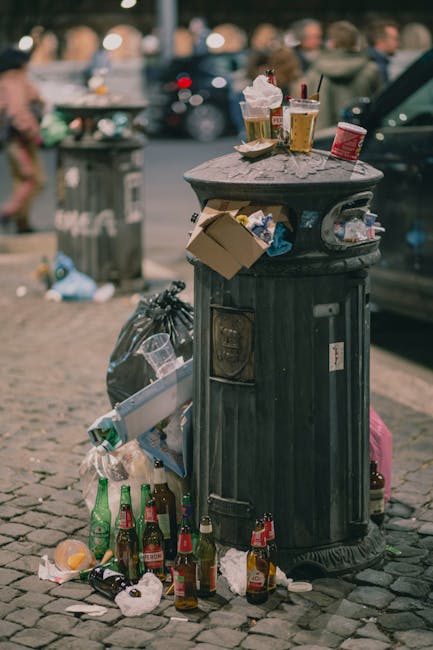
Maida Vale has the same basic challenge as many parts of London: limited space, busy pavements, frequent collections, and a lot of shared buildings. That combination means waste left incorrectly can become a nuisance very quickly. A single black bag on the wrong day might seem harmless, but in a dense residential street it can attract pests, block access, or trigger enforcement action.
It matters because waste rules are not just about tidiness. They are about public health, pavement access, fly-tipping prevention, fire safety in communal blocks, and making sure recyclable materials do not get contaminated. In other words, the system only works if everyone does their bit. Sounds obvious, but the real world is rarely tidy.
There is also the reputational side. If you are a landlord, business owner, letting agent, or managing a refurbishment, repeated waste issues can create friction with neighbours and building managers. One sloppy disposal habit can make a whole property feel poorly run. Not ideal.
For larger household projects, using the right kind of support can make a big difference. A careful house removalists team or home moves service can help you separate what stays, what is recycled, and what needs lawful disposal before it ends up in the wrong pile.
Expert summary: The safest approach in Maida Vale is not to guess. Check what type of waste you have, keep recycling clean, arrange bulky items properly, and never leave items out as an informal solution. That one habit alone prevents a lot of problems.
How Avoid fines: Maida Vale rubbish disposal & recycling laws Works
At a practical level, rubbish disposal in Maida Vale usually falls into a few categories: household waste, recycling, food waste, bulky items, garden waste, and commercial or trade waste. Each one has different expectations around presentation, sorting, collection timing, and lawful transfer. You do not need to memorise legal wording to get this right, but you do need to understand the basics.
What happens to waste once it leaves your door?
Waste is typically collected by the relevant local waste service or a licensed waste carrier. From there, it should be taken to an approved facility for sorting, recycling, treatment, or disposal. If you pay someone to remove waste, they should be able to do it lawfully and provide the right paperwork where needed. If they cannot explain where the waste is going, that is a red flag. A big one.
For office clear-outs and business premises, it is often worth planning ahead with a service that understands load separation and access issues. Options such as commercial moves and office relocation services are relevant when waste is just one part of a larger relocation or clearance.
Why recycling contamination causes trouble
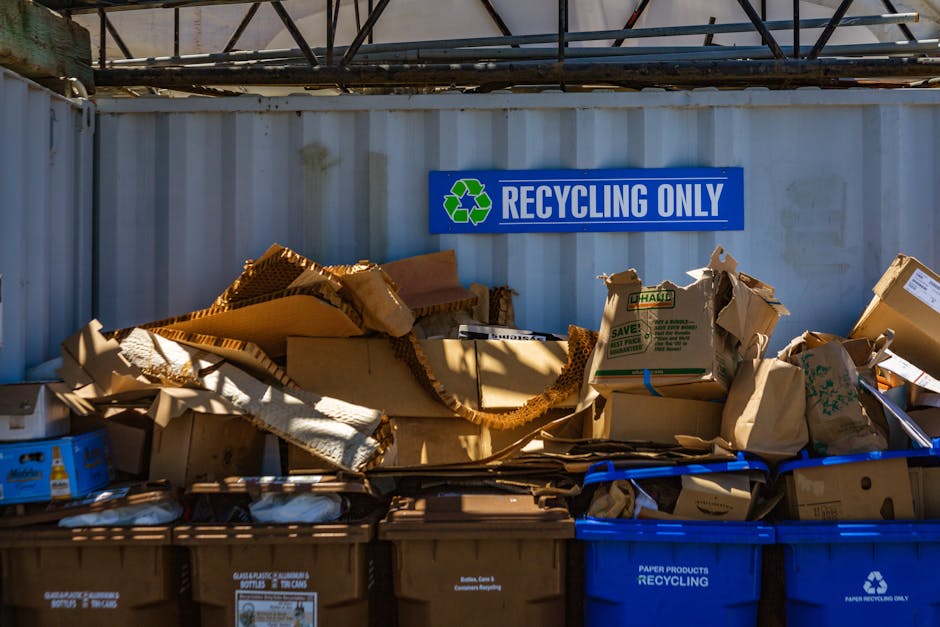
Recycling contamination happens when non-recyclable items are mixed into the recycling stream. Examples include greasy cardboard, food-soiled packaging, loose liquids, and general rubbish placed into a recycling bin. Once contaminated, a whole bin load can be rejected. That means more waste, more cost, and more frustration for everyone involved.
If you have ever stood in a kitchen with a half-open box of packaging after a move, trying to work out what belongs where, you will know how easy it is to get this wrong. The trick is to slow down just enough to sort as you go.
Bulky waste and furniture
Large items are where many fines and complaints begin. Sofas, wardrobes, mattresses, and white goods should not be left in communal areas or on the pavement unless a proper collection has been arranged. If an item is still usable, reuse or donation routes may be more suitable. If it is broken beyond repair, it needs lawful disposal. A practical collection service such as furniture pick-up can simplify this step.
If you are using a vehicle for bigger loads, the right approach matters too. A suitable moving truck or removal truck hire can help keep waste contained, prevent spillage, and reduce the temptation to make a rushed, illegal trip to somewhere convenient but inappropriate.
Key Benefits and Practical Advantages
Staying on top of Maida Vale rubbish disposal and recycling rules is not only about avoiding trouble. It also makes everyday life easier. The benefits are more practical than glamorous, but they matter.
- Fewer fines and complaints: You avoid the obvious downside and keep neighbours onside.
- Cleaner shared spaces: Communal hallways, bin stores, and kerbside areas stay safer and more usable.
- Better recycling outcomes: Clean sorting means more material can actually be recycled.
- Smoother moving days: Decluttering before a move makes packing less chaotic.
- Less stress: You are not left wondering whether that old desk or box of broken bits was handled properly.
There is also a financial angle. Lawful waste handling can sometimes feel like an extra cost at the start, but in practice it is often cheaper than fixing the mess after a problem has escalated. One fine, one collection refusal, or one building complaint can cost more than getting it done properly in the first place.
For people who prefer a lighter-touch removal option, a man with van arrangement can work well for smaller loads, especially when the waste is already sorted and ready to go. The main thing is that the load is managed responsibly, not just quickly.
Who This Is For and When It Makes Sense
This topic matters to more people than you might think. It is not just for landlords or businesses. In Maida Vale, the people who need this guidance include:
- Homeowners clearing lofts, basements, or spare rooms
- Tenants at the end of a tenancy
- Landlords preparing a property for new occupants
- Estate agents and letting agents handling clearances
- Office managers dealing with furniture or archives
- Small businesses generating regular waste
- Residents in mansion blocks or shared buildings
It makes sense any time you are dealing with more waste than a normal weekly bin day can comfortably handle. That includes moving house, refurbishing a room, replacing furniture, clearing a deceased estate, or emptying a workspace. If you are not sure whether your load is household waste, bulky waste, or trade waste, stop and classify it first. That one pause can save a lot of trouble later.
For move-related clear-outs, some people combine packing with disposal planning. A service like packing and unpacking services can be useful when you want to separate valuables from items to recycle or remove before moving day chaos sets in.
Step-by-Step Guidance
Here is a straightforward way to handle rubbish disposal and recycling in Maida Vale without making life harder than it needs to be.
1. Identify the type of waste
Start by splitting the load into clear categories: recycling, general waste, food waste, bulky items, electrical items, and anything potentially hazardous. If you see paint tins, chemicals, batteries, or sharp objects, treat them as special cases. Do not bundle them in with everything else and hope for the best.
2. Check what can be reused
Before throwing anything away, ask whether it can be reused, repaired, sold, or donated. A table with a wobbly leg may need a screwdriver, not a skip. It sounds small, but this habit reduces waste and keeps disposal volumes down.
3. Keep recycling clean and dry
Flatten cardboard, rinse food containers if needed, and avoid mixing in general rubbish. Wet cardboard, greasy takeaway packaging, and loose food scraps are common causes of rejected recycling. If in doubt, put it in the correct stream rather than guessing.
4. Use the right collection route
Small household amounts may go through normal local collection arrangements. Larger items often need a booked bulky waste service or a licensed removal option. Commercial or office waste usually needs a more specific arrangement. That part matters. A lot.
5. Keep items inside until the right time
Do not leave bags, boxes, or furniture outside early just to clear space. In a busy London street, things can get disturbed, rain-soaked, or mistaken for abandoned waste. If you need the items moved carefully, arrange the collection window properly and keep the pathway clear.
6. Ask for proof if a third party removes waste
If someone else takes your rubbish away, make sure they are legitimate and that the disposal route is lawful. This is especially important for business waste, refurbishment debris, and mixed loads. A quick check now is much easier than explaining an illegal dump later.
Expert Tips for Better Results
After dealing with enough clear-outs, one thing becomes obvious: the people who avoid waste problems are not necessarily the ones with the biggest budget. They are the ones who plan a little. That is it.
- Sort as you pack: Keep keep, donate, recycle, and dispose piles separate from the start.
- Break down bulky items: Flat-packed waste is easier to move and less likely to cause access issues.
- Label bags and boxes: Especially helpful in shared homes or office spaces where everyone adds items.
- Avoid overfilling recycling bins: Overflowing bins attract contamination and complaints.
- Match the service to the load: Small loads, bulky furniture, or full property clearances each need different handling.
A small but useful tip: keep one bag or box aside for items you are unsure about. Then review it at the end rather than putting doubtful items into the wrong bin. That tiny pause can stop a perfectly decent recycling effort from going sideways.
If your waste is tied to a broader move, it may also be worth looking at a simpler vehicle-based solution such as man and van or a larger moving truck depending on the load size and access at your property. A narrow staircase in a Maida Vale block, for instance, can change everything. One awkward corner and suddenly the sofa is the main character.
Common Mistakes to Avoid
The common mistakes are usually not dramatic. They are ordinary, which is why they happen so often.
Leaving waste out too early
This is a classic. Bags appear on the pavement before the correct collection time, then tip, split, or attract extra attention. If waste is not ready for immediate collection, keep it indoors or in a secure area.
Mixing general rubbish with recycling
One greasy food box can contaminate a whole batch. If you are unsure, do not force it into recycling. Better to dispose of one doubtful item correctly than ruin a whole container.
Using an unlicensed collector
People sometimes choose the cheapest option without asking where the waste goes. If waste is later fly-tipped, the original owner can still end up under scrutiny. Cheap can become expensive very quickly.
Ignoring bulky waste rules
Furniture and appliances are not just bigger versions of household waste. They need proper handling, especially in shared blocks where access, lifting, and timing all matter.
Forgetting about commercial waste duties
Businesses often have stricter obligations than households. Office clean-outs, shop refits, and storage clearances should be treated as planned waste events, not improvised ones.
Tools, Resources and Recommendations
You do not need a toolkit full of specialist gear to manage rubbish properly, but a few simple tools make the job cleaner and less stressful.
| Tool or approach | Best use | Why it helps |
|---|---|---|
| Labelled bags or boxes | Sorting mixed household items | Keeps recycling, reuse, and waste separate |
| Heavy-duty gloves | Sorting broken or dirty items | Improves safety and comfort |
| Tape measure | Bulky furniture and large items | Helps check access and vehicle fit |
| Bin liners or rubble sacks | Controlled waste packing | Reduces spills and makes carrying easier |
| Camera on your phone | Documenting item condition | Useful for records, especially in shared properties |
For larger household or business jobs, practical support can be more valuable than extra gear. If you need flexibility, a load-specific option such as removal truck hire may be the cleaner choice. If the task is being handled with a team, check the provider's terms carefully and make sure the scope fits what you actually need. The terms and conditions page can also be useful reading before you book anything, even if it is the boring bit.
One more useful point: if you are choosing between disposal options, favour the one that leaves the least ambiguity. Clear quote, clear timing, clear waste route. That clarity is worth a lot on a hectic day.
Law, Compliance, Standards, and Best Practice
Waste handling in London is shaped by a mix of local collection arrangements, national waste rules, and general best practice around responsible disposal. You do not need to become a legal specialist, but you should know the broad expectations.
For households, the main issues are proper separation of waste, respecting collection times, and using legitimate disposal routes. For businesses, the duty to manage waste responsibly is more formal. That usually means keeping waste contained, using appropriate contractors, and being able to show that rubbish was handled correctly if asked.
Some practical standards apply across the board:
- Do not leave waste where it blocks walkways or shared access points.
- Do not assume one bag of mixed items is acceptable just because it is convenient.
- Do not use a waste carrier unless you are comfortable they are legitimate and appropriate for the job.
- Do not place hazardous or specialist waste into general bins.
- Do keep records when you are dealing with commercial or repeated disposals.
There is also a basic ethical standard, if you like: if you create the waste, you remain responsible for making sure it goes somewhere lawful. That principle is simple, but it is the one people most often forget when they are in a rush.
For larger clearances, especially around relocations, keeping the process organised helps. Services like commercial moves and home moves are often part of a cleaner, more compliant approach because they reduce last-minute dumping and make sorting easier.
Options, Methods, or Comparison Table
If you are deciding how to deal with rubbish in Maida Vale, the best method depends on volume, item type, timing, and how much handling you want to do yourself. Here is a simple comparison.
| Method | Best for | Pros | Watch-outs |
|---|---|---|---|
| Regular household bins | Small day-to-day waste | Simple, familiar, low effort | Not suitable for bulky or excessive waste |
| Recycling bins | Clean recyclable materials | Reduces landfill, straightforward when sorted well | Contamination can cause rejection |
| Bulky item collection | Furniture and large household items | Convenient and safer than improvised removal | Needs planning and proper booking |
| Licensed removal service | Mixed loads, clear-outs, move-related waste | Efficient, flexible, less lifting for you | Quality varies, so check credentials and scope |
| Self-haul in a suitable vehicle | Confident users with the right load and access | Can be practical for controlled jobs | Time, effort, and legal disposal responsibility remain with you |
In a lot of real cases, the best option is a blend. For example, a resident might recycle clean packaging, book bulky disposal for a wardrobe, and use a removal vehicle for a final load of mixed but permitted items. That is often the most sensible mix, not the most expensive one.
Case Study or Real-World Example
A typical Maida Vale scenario looks something like this: a tenant is leaving a top-floor flat after several years. There are cardboard boxes from online orders, old small appliances, a broken bedside table, and one sofa that will not fit through the stairwell anymore. The first instinct is often to pile everything near the front door and deal with it later. Which, to be fair, is how many people end up in a mess.
Instead, they separate the load into three parts. Clean cardboard and recyclable packaging go into the correct recycling stream. Usable items are set aside for reuse. The sofa and broken furniture are booked for proper pick-up. A removal vehicle is arranged for the final load, so everything leaves in one planned sweep rather than in a half-managed scatter across the week.
The result is much calmer. The hallway stays clear, neighbours are not blocked out, and the landlord receives the property in better condition. More importantly, there is no last-minute scramble to rescue items left outside because the bin store filled up. The whole thing feels less like a crisis and more like a controlled job. That is what you want.
Practical Checklist
Use this quick checklist before any disposal or recycling job in Maida Vale.
- Identify the waste type: household, recycling, bulky, electrical, food, or commercial.
- Separate reusable items: donate, repair, or resell where practical.
- Keep recycling clean: no food residue, liquids, or general rubbish mixed in.
- Check collection timing: do not leave items out too early.
- Use a lawful collector: confirm the removal route is legitimate.
- Protect shared areas: keep hallways, pavements, and bin stores clear.
- Plan bulky loads: book furniture or large-item removal in advance.
- Keep records for business waste: especially for repeat or larger jobs.
- Review access and vehicle size: stairs, parking, and narrow streets matter.
- Double-check odd items: batteries, paint, and chemicals need special handling.
Quick takeaway: if you sort the waste properly, keep it contained, and choose the right removal route, you dramatically reduce the risk of fines or complaints. Simple, but effective.
Get a free quote today and see how much you can save.
Conclusion
Maida Vale rubbish disposal and recycling laws are not complicated once you strip away the noise. The real challenge is consistency: sorting properly, booking the right kind of collection, avoiding early kerbside dumping, and not treating every unwanted item as though it belongs in the same bin. Small habits make the biggest difference.
If you are dealing with a move, office clearance, or a pile of bulky items that has quietly grown into a problem, the safest route is usually the most organised one. A bit of planning now saves money, time, and hassle later. And it keeps the street looking like people actually live there, which matters more than most of us admit.
If you want to learn more about the company behind these services, you can also read about us or get in touch through the contact page when you are ready to talk through a specific job.
Do it properly, keep it calm, and the whole thing becomes a lot less stressful. That is the real win.
Frequently Asked Questions
What is the safest way to avoid fines for rubbish disposal in Maida Vale?
The safest approach is to separate waste correctly, use the right collection method, and only use legitimate disposal services. Avoid leaving items on the street too early and never mix unclear waste into recycling just to get rid of it quickly.
Can I leave bulky furniture beside the bins for collection?
Only if a proper bulky waste collection has been arranged and the items are presented according to the expected rules. Otherwise, leaving furniture beside the bins can count as improper disposal and may lead to complaints or enforcement action.
What counts as recycling contamination?
Contamination happens when non-recyclable items, food waste, liquids, or general rubbish are placed into recycling containers. Even one bad item can affect a whole load, so it is worth checking before you toss things in.
Do tenants or landlords deal with rubbish left after a move?
It depends on the tenancy agreement and the condition of the property, but tenants are usually expected to leave waste in line with the agreement and local rules. Landlords often become involved if items are abandoned or the property is not left in an acceptable state.
Is it okay to use any man and van service for waste removal?
Not necessarily. The service should be suitable for the type of load and should handle disposal lawfully. If you are removing waste, ask how it will be dealt with and make sure the job is not just a quick transport solution with no proper disposal route.
What should I do with broken household items?
First check whether they can be repaired or reused. If not, see whether they qualify for bulky waste collection or need a removal service. Broken electrical items and anything with sharp edges should be handled carefully and kept separate from normal rubbish.
Are commercial waste rules stricter than household rules?
Generally, yes. Businesses usually have stronger responsibilities around waste storage, collection, and proof of lawful disposal. Even small offices should treat waste handling as a planned process rather than an afterthought.
How can I tell if a waste collector is legitimate?
Ask clear questions about what happens to the waste, where it is taken, and whether they are set up to handle the type of load you have. If the answers feel vague or rushed, that is usually a sign to slow down and reconsider.
What is the best option for a full flat clearance?
The best option depends on the volume and mix of items. Many people use a combination of recycling, bulky item pick-up, and a suitable removal vehicle to avoid overloading bins or making multiple stressful trips.
Can I put old paint tins or batteries in general rubbish?
No, those items usually need special handling and should not be mixed into general household waste. Store them separately and follow the correct disposal route for your area or service arrangement.
What if I am not sure whether an item is recyclable?
If you are unsure, keep it out of recycling until you can identify the correct stream. That small bit of caution is often enough to stop contamination and avoid problems with collection.
Where do I start if I need help with a larger disposal job?
Start by listing what needs to go, separating reusable items, and deciding whether you need furniture removal, a man and van option, or a larger truck-based solution. If you want to compare service fit before booking, the most useful next step is to review the type of job you actually have, not just the items you want gone.