Access solutions for removals on Randolph Avenue Maida Vale
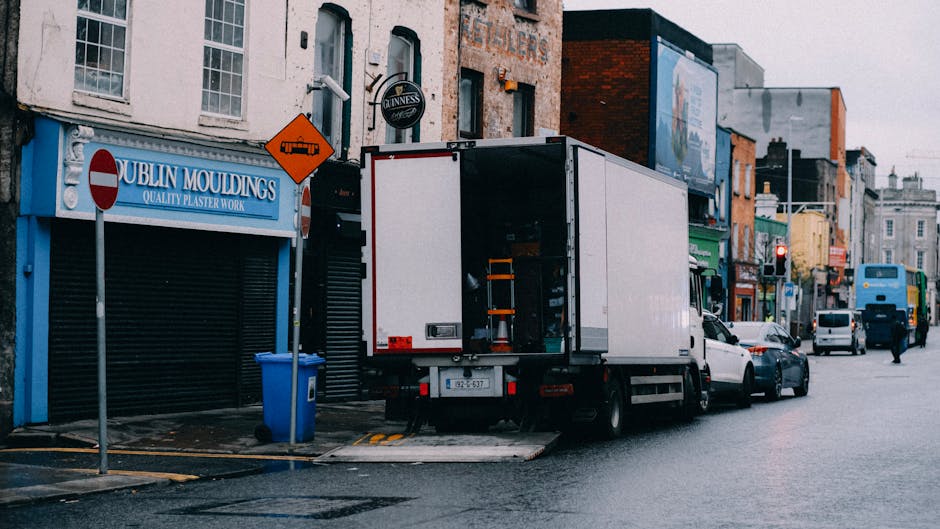
If you are planning a move on Randolph Avenue, you already know the tricky bit is not always the packing. It is the access. Tight stairwells, parking pressure, awkward corners, limited lift space, and the simple fact that one badly timed van can throw the whole day off. That is where Access solutions for removals on Randolph Avenue Maida Vale make a real difference. Done properly, access planning keeps the move calm, quicker, and far less stressful than a last-minute scramble on the pavement with a sofa halfway out the door.
In Maida Vale, and especially on streets where homes, flats, and shared entrances can vary a lot from one building to the next, removals are rarely a one-size-fits-all job. The best approach is usually a mix of route planning, parking sense, the right lifting method, and a removal team that understands how London properties actually work in the real world. Let's break that down properly, without the fluff.
Why access solutions for removals on Randolph Avenue Maida Vale matters
Access sounds like a small detail until moving day arrives and suddenly it is the only thing that matters. A sofa that looked fine in the hallway at 8 a.m. can become a very different problem at 9:15 when the van is waiting, neighbours are passing through, and the front entrance feels a lot narrower than expected. That is why access solutions are not a luxury. They are part of the move itself.
Randolph Avenue sits in an area where local streets can involve limited stopping space, resident parking controls, shared access points, and buildings with a mix of period features and later alterations. In practical terms, that means the removal team may need to deal with narrow staircases, doorways with awkward turns, basement flats, top-floor walk-ups, or loading arrangements that need careful timing. A good access plan protects your furniture, the building, and your sanity. Truth be told, it also protects the team doing the heavy lifting.
There is another reason this matters: delays create knock-on effects. If the van cannot stop where expected, loading takes longer. If items need to be carried farther, labour time rises. If large furniture cannot clear a turn, it may need partial dismantling. None of this is dramatic on its own, but combined it can turn a straightforward removal into an all-day puzzle. Not ideal.
Practical summary: access planning is not just about getting a van near the property. It is about making every stage of the move safer, faster, and less stressful, especially where local streets and building layouts are tight or unpredictable.
For many households, the difference between a smooth move and a bruising one comes down to whether someone asked the right questions early. Where will the van park? Is there a lift? How many stairs are involved? Can the bed frame turn the corner? Do you need packing support before moving day? Small questions. Big impact.
How access solutions for removals on Randolph Avenue Maida Vale works
Access solutions usually begin before anyone touches a box. A proper removal plan starts with a basic survey of the property and the route in and out. In simple terms, the job is to map the path from room to van and remove surprises before they cost time.
That may sound obvious, but in practice it is often where people underestimate the job. A removal crew will typically assess a few key points: road access, parking distance, stair count, lift size, door widths, turning space, loading restrictions, and whether any large items need dismantling. If the property is a flat above ground floor, the route from the front door to the van can matter more than almost anything else.
If you want a good example, imagine moving from a first-floor flat with a narrow internal staircase and a shared entrance. The route may be perfectly manageable for boxes, but a wardrobe or king-size mattress could need a different plan. A team might use protective covers, a smaller vehicle, extra carrying hands, or a staged load-out so the heavier items go first while the path is still clear. It is quite methodical, really.
For many moves, the best access solution is a combination of services rather than one single fix. For example, a household move might pair home moves with packing and unpacking services so that the move is lighter, more organised, and easier to carry through tight access points. If furniture is bulky, a furniture pick up option can also help remove items before the main moving day, reducing the amount of congestion at the door.
In some cases, the right answer is not larger labour. It is smarter sequencing. Put the easiest boxes out first, keep walkways clear, dismantle beds or tables in advance, and load items in an order that avoids bottlenecks. Once you see it done well, it feels almost boring. That is usually a good sign.
Key benefits and practical advantages
Good access planning delivers benefits that go well beyond convenience. It changes the whole tone of the move.
- Less time wasted: fewer unnecessary trips, fewer pauses, less standing around in the hallway trying to work out the next move.
- Lower risk of damage: furniture, banisters, walls, and door frames are all better protected when the route is thought through early.
- Better safety: lifting and carrying are safer when there is enough space to move properly and not squeeze past corners at odd angles.
- More predictable costs: access problems often add time, and time is usually where removals bills creep up.
- Less stress on moving day: a clear plan gives everyone confidence, which sounds small but matters a lot when the day gets busy.
There is also a practical emotional benefit. When the first heavy item comes out without drama, the whole move feels more under control. You can hear it in the tone of the people involved. Less hurried. Less muttered swearing under breath. More focus. More calm.
And if you are comparing service options, access solutions can be the difference between needing a large team and needing a smaller, better-equipped one. For example, a compact vehicle plus careful planning may be more suitable than simply booking the biggest truck available. If you are unsure, it can help to compare local removal options with the realities of the street, not just the volume of belongings. That is one reason people read articles like compare local Maida Vale removal quotes vs national firms before deciding.
One more thing: access solutions are not only for difficult homes. Even a relatively easy move can benefit from better planning. A five-minute parking adjustment or a pre-cleared hallway can save a surprising amount of stress. It is one of those boring truths that turns out to be very useful.
Who this is for and when it makes sense
Access solutions for removals on Randolph Avenue Maida Vale make sense for anyone whose property, furniture, or timing makes the move less than straightforward. That includes more people than you might first think.
You may especially need access planning if you are:
- moving from a flat with stairs and no lift
- living on a road where parking is tight or regulated
- handling large furniture such as wardrobes, sofas, or beds
- moving with children and trying to reduce disruption
- working to a deadline, such as a tenancy end date or completion time
- moving office equipment, filing, or awkward commercial stock
- dealing with a shared entrance, basement access, or courtyard loading
If you are moving a smaller number of items, the right answer may be a man with van or a man and van service rather than a full-scale removal truck. That can be especially useful where access is limited but the load is manageable. If you are moving a whole household, you may need a more complete setup, such as house removalists or a removal truck hire option.
Commercial moves have their own access issues too. Offices in and around Maida Vale often involve lifts shared with other occupiers, narrow loading bays, reception rules, or building management restrictions. In that case, commercial moves or office relocation services can be a better fit, because the access strategy can be shaped around business hours and building protocols.
As a rule of thumb, if you have already found yourself saying, "I just need this one awkward item out," then access planning is probably worth it. And if you are thinking, "surely it will be fine," that is usually the moment to ask one more question.
Step-by-step guidance
Here is a practical way to approach access planning without overcomplicating it.
- Walk the route from room to van. Start at the item itself and trace the exact path it will take. Look for narrow turns, low ceilings, door handles, radiators, and any points where the item might snag.
- Measure the awkward bits. Door width, staircase width, lift depth, ceiling height, and furniture dimensions all matter. You do not need perfection, but rough numbers help a lot.
- Check parking and stopping options. On a street like Randolph Avenue, stopping close enough to load safely may be the biggest practical issue. Plan this early rather than hoping for a gap on the day.
- Decide what should be dismantled. Beds, table legs, and some wardrobes are easier to move in pieces. The trick is to dismantle only what actually helps. No need to turn moving day into a flat-pack marathon.
- Protect the route. Use covers, blankets, or floor protection where needed. The aim is to avoid scuffs, mud, and the accidental "oops" against a painted wall.
- Stage items near the exit. Keep corridors clear and group items sensibly so the crew can move steadily rather than zigzagging through the property.
- Load in the right order. Heavy and bulky items often go first, but the exact sequence should suit the access route and the truck space available.
- Keep one person in charge of decisions. That stops small disagreements from slowing things down. Who knows better than the person who has already opened every cupboard? Exactly.
If you are handling the packing yourself, avoid leaving small loose items hidden inside larger pieces. A drawer full of odds and ends can become a nasty surprise once the furniture is tipped or turned. This is also where avoiding last-minute packing stress when changing homes can be surprisingly helpful as a planning read.
For larger or more complex moves, a preliminary visit or call can save time later. You do not need to know everything. You just need to share enough detail for the team to spot likely bottlenecks early.
Expert tips for better results
A few small decisions can make access feel much easier on moving day. These are the sorts of details that experienced movers pay attention to straight away.
1. Prioritise the largest item first. If the sofa, wardrobe, or mattress is the hardest object to move, plan the route around that item. Boxes can usually be adapted. Sofas, less so.
2. Reduce clutter before the crew arrives. Clear shoes, hallway furniture, plant pots, and laundry baskets from the route. It sounds obvious, but one stray item can cause a chain reaction. I have seen a perfectly organised job delayed by a single umbrella stand. Annoying, but true.
3. Treat staircases with respect. Tight stairs are where the day can become awkward. If you want more depth on that specific issue, the guide on staircase removals for heavy furniture in Maida Vale flats is a useful companion read.
4. Keep a small tool kit handy. A screwdriver, tape, Allen keys, scissors, and marker pens can save repeated trips searching for the same thing. One tiny kit. Very useful.
5. Use smaller loads where access is poor. If parking or entry space is limited, multiple lighter loads may be safer than trying to force everything through at once.
6. Ask about route familiarity. Local knowledge helps. The difference between a smooth arrival and a frustrating one can be as simple as knowing which side street is more practical for unloading.
To be fair, the best tip is still the least glamorous one: tell the truth about the access. If the staircase is tight, say so. If the parking is uncertain, say so. Nobody benefits from a rosy estimate that falls apart the next morning.
Common mistakes to avoid
Most access problems come from a handful of predictable mistakes. Avoiding them is usually easier than fixing them later.
- Assuming the van can stop anywhere: London streets often do not reward optimism. Check the parking reality, not just the wishful version.
- Ignoring the biggest object: It is rarely the boxes that cause trouble. It is the bed base, sofa, wardrobe, or appliance.
- Not measuring properly: "It should fit" is not a measurement.
- Leaving access prep until moving morning: by then, the day is already moving. That is too late for planning.
- Blocking hallways with packed bags and loose items: that creates trip hazards and slows the load-out.
- Forgetting about building rules: some properties require lifts to be booked, corridors to be protected, or certain hours to be respected.
- Choosing the wrong vehicle size: too small means multiple trips; too large may be awkward to park or manoeuvre.
One mistake I see often is people believing that access issues are somehow a sign of a difficult move. Not really. They are just part of the shape of the job. Once you accept that, the stress drops a bit. Funny how that works.
If you are sorting things out in stages, it may help to read about last-minute flat move in W9 fast Maida Vale removal fixes so you have a few emergency options in your back pocket. Hopefully you will not need them. Nice to have, though.
Tools, resources and recommendations
You do not need a van full of specialist gear to improve access, but a few tools and practical resources can make a genuine difference.
| Tool or resource | What it helps with | Why it matters |
|---|---|---|
| Measuring tape | Doorways, stairs, furniture dimensions | Prevents avoidable surprises |
| Furniture blankets | Protecting surfaces and corners | Reduces scrapes and knocks |
| Straps and trolleys | Moving heavier items safely | Improves control and reduces strain |
| Tool kit | Disassembly and reassembly | Saves time when items need to come apart |
| Labels and marker pens | Room sorting and prioritising | Speeds up unloading and unpacking |
| Parking and route notes | Arrival and load planning | Helps the team avoid delays |
On the service side, the right combination depends on your move. Some people need just a compact vehicle and a strong pair of hands. Others need a moving truck, more labour, and careful packing support. If your move involves larger furniture or partial decluttering before the main day, moving truck options and furniture pick up can work well together.
It is also worth thinking about prep and decluttering before the removals crew arrives. Fewer items usually means fewer access headaches. That is why some people choose to transform the move with deliberate decluttering first, rather than waiting until the last minute and hoping for the best. If that sounds familiar, the guide on effective decluttering steps is worth a look.
For those moving from or into tighter local routes, it can also help to think about the wider journey, not just the front door. A route-sensitive plan around the area near Maida Vale station can be a practical advantage, especially when timing matters. Small local choices. Big difference.
Law, compliance, standards and best practice
Removals in London can involve practical rules around parking, loading, and building access. The exact requirements depend on the location, the building, and the local authority arrangements in place. It is sensible to treat these matters carefully rather than assuming there will be room to stop "just for a minute".
Where roadside loading is concerned, parking restrictions, permit zones, suspension notices, and time limits may all be relevant. Westminster and nearby areas can be particularly detail-sensitive, so a move on Randolph Avenue should be checked in advance rather than left to chance. If you want a more local perspective on this, Westminster Council permit rules for Maida Vale removals is a useful read, as is loading bay suspensions in W9 if your route depends on a loading bay.
Waste and disposal also need care. If you are clearing bulky items or disposing of unwanted furniture before or after the move, local rules may apply. It is better to check proper disposal routes than to leave anything on the pavement and hope for the best. That is rarely a good idea, and sometimes it becomes an expensive one. The article on Maida Vale rubbish disposal and recycling laws covers the point in more detail.
For internal best practice, good movers will usually follow safe manual handling principles, use suitable equipment, protect the premises, and communicate clearly about risks. That means no rushing stair carries, no forcing oversized furniture through unsuitable gaps, and no improvising if the route looks unsafe. If something does not look right, stop and re-plan. Simple as that.
When in doubt, ask questions before the moving day, not during it. You will usually get a much better result that way.
Options, methods and comparison
Different access situations call for different solutions. Here is a simple comparison to help you think it through.
| Method | Best for | Strengths | Watch-outs |
|---|---|---|---|
| Man and van | Smaller loads, flexible timing, light to moderate access issues | Flexible, often cost-effective, practical for local trips | May not suit very bulky items or full-house moves |
| House removalists | Full household moves with more furniture | More structured, better for multi-room moves | Needs more planning where parking or stairs are tight |
| Removal truck hire | Larger volumes and staged loading | Good capacity, efficient for larger jobs | Truck size must suit the street and access conditions |
| Packing and unpacking support | Busy households, time pressure, delicate items | Reduces load day pressure and improves organisation | Does not solve parking or stair issues on its own |
| Furniture pick up | Pre-move clearing or bulky item removal | Lightens the move and clears access routes | Needs coordination with the main move |
The best option is rarely the biggest one. It is the one that fits the building, the route, and the volume of belongings. That is the quiet truth of it.
For moves around Maida Vale, a smaller vehicle can sometimes outperform a larger one simply because it can position better and reduce carrying distance. On the other hand, if you have a full flat or family home, trying to "make do" with too little capacity can stretch the day and make access even messier. Balance matters.
Case study or real-world example
Here is a realistic example based on the sort of move people often face on streets like Randolph Avenue.
A couple were moving from a second-floor flat with a narrow stairwell, one shared front entrance, and a sofa that had looked perfectly ordinary in the living room but suddenly seemed to have grown in the night. They assumed everything would be loaded from the front door with a standard van parked nearby. On paper, that sounded fine. In practice, the street space was tighter than expected and the sofa would have been awkward to turn on the staircase.
Instead of forcing the issue, the move was adjusted. The larger items were identified first, the sofa was measured properly, and the team planned a shorter carry route with a smaller vehicle position that made loading safer. One bed frame was dismantled before the day. A few boxes were moved into a clear staging area near the entrance. Nothing dramatic. Just sensible planning.
The result was not flashy, but it was smooth. Fewer pauses. No damage. Less strain. And the nicest part? The move ended with everyone able to laugh about how the "easy" sofa had turned into the main character of the day. These things happen.
This is exactly why access solutions matter. They turn a vague plan into a practical one. And when the plan is practical, the move tends to feel much more manageable.
Practical checklist
Use this checklist before moving day. A quick run-through here can save a lot of trouble later.
- Confirm the full address and exact access point
- Check parking restrictions, permits, or loading rules
- Measure large furniture and key doorways
- Identify stairs, lifts, and any tight corners
- Decide what needs dismantling in advance
- Clear hallways, landings, and entry routes
- Label boxes by room and priority
- Protect floors, corners, and high-contact surfaces
- Arrange keys, buzzers, and building entry instructions
- Keep a small tool kit and essentials bag separate
- Plan where the van will stop and how long loading may take
- Speak up early if there is any access uncertainty
Quick expert note: if even one part of the access route feels uncertain, deal with it early. Most moving stress comes from details that could have been checked the day before. That is the whole game, really.
Conclusion
Access solutions for removals on Randolph Avenue Maida Vale are about more than getting from A to B. They are about avoiding friction in a place where access can be tight, timing matters, and the difference between easy and awkward can be one parking decision or one staircase measurement. With the right planning, the right vehicle, and the right support, even a complicated move becomes much more manageable.
If you are in the middle of planning now, take a breath and work through the access first. Not the boxes. Not the labels. Access. Once that is under control, everything else tends to follow more neatly. And that is a good feeling on moving day, honestly. A proper one.
Get a free quote today and see how much you can save.
Frequently Asked Questions
What are access solutions for removals on Randolph Avenue Maida Vale?
They are the practical steps used to make a move easier where parking, stairs, doorways, lifts, or narrow routes could create problems. That may include vehicle positioning, dismantling furniture, route planning, and extra packing support.
Do I need access planning for a small move?
Yes, sometimes. Even a small move can be affected by parking restrictions, narrow staircases, or awkward furniture. A small load does not automatically mean a simple load.
How do I know if my furniture will fit through the access route?
Measure the widest parts of the item and compare them with the tightest points in the route, such as doorways and stair turns. If in doubt, ask the removals team to review the measurements before moving day.
Is a man and van service enough for Randolph Avenue moves?
It can be, especially for lighter loads or partial moves. If you have larger furniture, multiple rooms, or tricky access, you may need a more complete removal setup.
What should I do if parking near the property is limited?
Check the parking rules in advance and agree on a realistic loading point. If needed, choose a vehicle size that can work within those limits rather than forcing a larger van into a poor position.
Can stairs make a removal more expensive?
They can, because stairs usually increase the time, effort, and care required. The exact impact depends on the property layout, item size, and overall workload.
Should I dismantle furniture before the move?
Only where it genuinely helps. Beds, some wardrobes, and large tables often benefit from being taken apart. Smaller items may be better left assembled if they are easy to carry safely.
What is the safest way to move heavy items through tight access?
Use the right lifting technique, clear the route, protect surfaces, and avoid forcing items around corners. For bulky or fragile items, a professional team with the right equipment is usually the safest choice.
How far in advance should I arrange access details?
As early as you can. Ideally, parking, lift use, item sizes, and any building rules should be confirmed before the moving date so there is time to adjust the plan if needed.
Do I need to worry about local permits or council restrictions?
Yes, if the move involves roadside loading, parking bays, or restricted streets. Local parking and loading rules can matter a great deal in Maida Vale, so it is sensible to check them rather than assume availability.
What if my building has a shared entrance or no lift?
That is exactly the kind of situation where access planning helps. Shared entrances and walk-ups are common enough, but they need a practical loading strategy, especially for larger furniture.
Can packing and unpacking services help with access problems?
Indirectly, yes. If items are packed more efficiently and the load is better organised, the move becomes easier to carry, stack, and unload. That can make a real difference where access is tight.
What is the best first step if I am unsure about my move?
Walk the route and list the awkward points: parking, stairs, door widths, and large items. Once you know those four things, it becomes much easier to choose the right removals approach and avoid last-minute surprises.